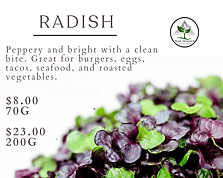
RadishHigh in vitamin C & phytonutrients; reduces inflammation, supports liver health.
The Power of Microgreens
Microgreens aren’t just a garnish—they’re tiny nutritional powerhouses. Packed with flavour, living nutrients, and concentrated goodness. Microgreens offer a host of potential health benefits. Research shows that incorporating microgreens into your diet may:
Boost your immune system
Lower inflammation
Support weight management
Reduce the risk of chronic diseases
Improve gut health
…and much more.
What Are Microgreens?
Microgreens are the earliest stage of a vegetable plant’s development.
More than a sprout. Unlike mature vegetables, they are harvested when their leaves and stems are still small, capturing a concentrated dose of vitamins, minerals, and antioxidants, directly from the seed.
Why Microgreens Are Healthier Than Regular Greens
While mature greens like lettuce, spinach, and kale are nutritious, microgreens pack a far more powerful nutritional punch. Studies show that their vitamin and antioxidant levels can be up to 40 times higher than those of mature vegetables.
Here’s what makes them different:
Macro-minerals: Higher levels of calcium, magnesium, phosphorus, and potassium.
Micro-minerals: Rich in iron, zinc, and copper.
Vitamins and nutrients: Abundant in B vitamins, folate, and essential amino acids.
Antioxidants: Protect your cells and support overall health.
In short, microgreens are an easy, delicious way to supercharge your diet with concentrated nutrients that support long-term health.
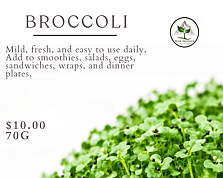
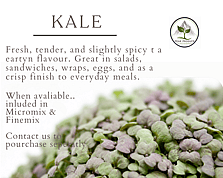
Broccoli Microgreens and Cancer
Tiny leaves. Big nutrition.
Broccoli microgreens are harvested just 7–14 days after germination, when the plant is packed with vitamins, minerals, antioxidants, and beneficial plant compounds.
1. Rich in Sulforaphane Precursors
One of broccoli microgreens' most researched compounds is glucoraphanin, which your body converts into sulforaphane when the greens are chewed.
Research suggests sulforaphane may help support:
Healthy antioxidant defenses
Normal cellular protection from oxidative stress
The body's natural detoxification processes
Healthy inflammatory responses
Scientists continue to investigate sulforaphane for its potential role in long-term health.
Source
Sulforaphane Bioavailability in Healthy Subjects Fed Fresh Broccoli Microgreens (Nutrients, 2023).
Review: Brassicaceae Microgreens (ACS Food Science & Technology, 2023).
2. Packed with Vitamin C
Vitamin C helps support:
Normal immune function
Collagen production
Healthy skin
Wound healing
Antioxidant protection
Broccoli microgreens naturally contain significant amounts of Vitamin C, and researchers have shown that growing methods can further increase these levels.
3. Excellent Source of Antioxidants
Antioxidants help protect cells from damage caused by free radicals produced during everyday metabolism and environmental exposure.
Broccoli microgreens contain:
Phenolic compounds
Carotenoids
Chlorophyll
Vitamin C
Studies have found broccoli microgreens possess strong antioxidant capacity regardless of growing method.
4. More Minerals Than Mature Broccoli
Research comparing broccoli microgreens with mature broccoli found that microgreens contained higher concentrations of several important minerals, including:
Magnesium
Zinc
Copper
Manganese
Depending on how they are grown, broccoli microgreens averaged approximately 1.7 times the concentration of key minerals compared with mature broccoli.
5. Naturally Rich in Vitamins
Broccoli microgreens are a natural source of:
✓ Vitamin C
✓ Vitamin A (from beta-carotene)
✓ Vitamin E
✓ Vitamin K
These vitamins contribute to healthy immune function, vision, skin, blood clotting, and antioxidant protection.
Important Notes
Broccoli microgreens are not a cure and should not replace medical treatment.
Their benefits are strongest as part of a balanced, varied diet rich in vegetables, fruits, proteins, and whole grains.
If undergoing cancer treatment, consult your healthcare provider before making significant dietary changes.
Pro Tip: Pair broccoli microgreens with other cruciferous veggies like kale, cabbage, or cauliflower for a nutrient-packed, cancer-supportive diet.
Scientific References
Puccinelli et al. (2023). Brassicaceae Microgreens: Phytochemical Compositions, Influences of Growing Practices, Postharvest Technology, Health, and Food Applications. ACS Food Science & Technology.
Newman et al. (2023). Sulforaphane Bioavailability in Healthy Subjects Fed a Single Serving of Fresh Broccoli Microgreens. Nutrients.
Xiao et al. (2017). Broccoli Microgreens: A Mineral-Rich Crop That Can Diversify Food Systems. Frontiers in Nutrition.
Finley et al. (2023). Vitamin C Biofortification of Broccoli Microgreens and Resulting Effects on Nutrient Composition. Frontiers in Plant Science.
Xiao et al. (2020). Antioxidant Properties and Sensory Evaluation of Microgreens from Commercial and Local Farms. Food Science and Human Wellness.
Getting the Kids on Board
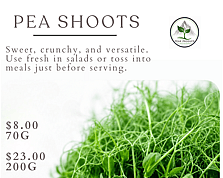
Healthy eating doesn't have to be a battle! Pea tendrils are naturally sweet, fun to eat, and packed with goodness—making them a great choice for growing kids.
Why Kids Love Them (and Parents Do Too!)
🌿 Naturally Nutritious – Rich in vitamins A, C and K, plus folate and iron to help support healthy growth, energy and immune function.
💪 Plant-Powered Protein – A natural source of protein to support growing muscles and active bodies.
😊 Happy Tummies – High in fibre to help keep little digestive systems healthy.
✨ Antioxidant Boost – Full of natural plant compounds that help protect growing bodies.
😋 Sweet & Crunchy – Their fresh pea flavour makes them an easy win, even with fussy eaters!
Easy Ways to Enjoy Them
Add to sandwiches and wraps.
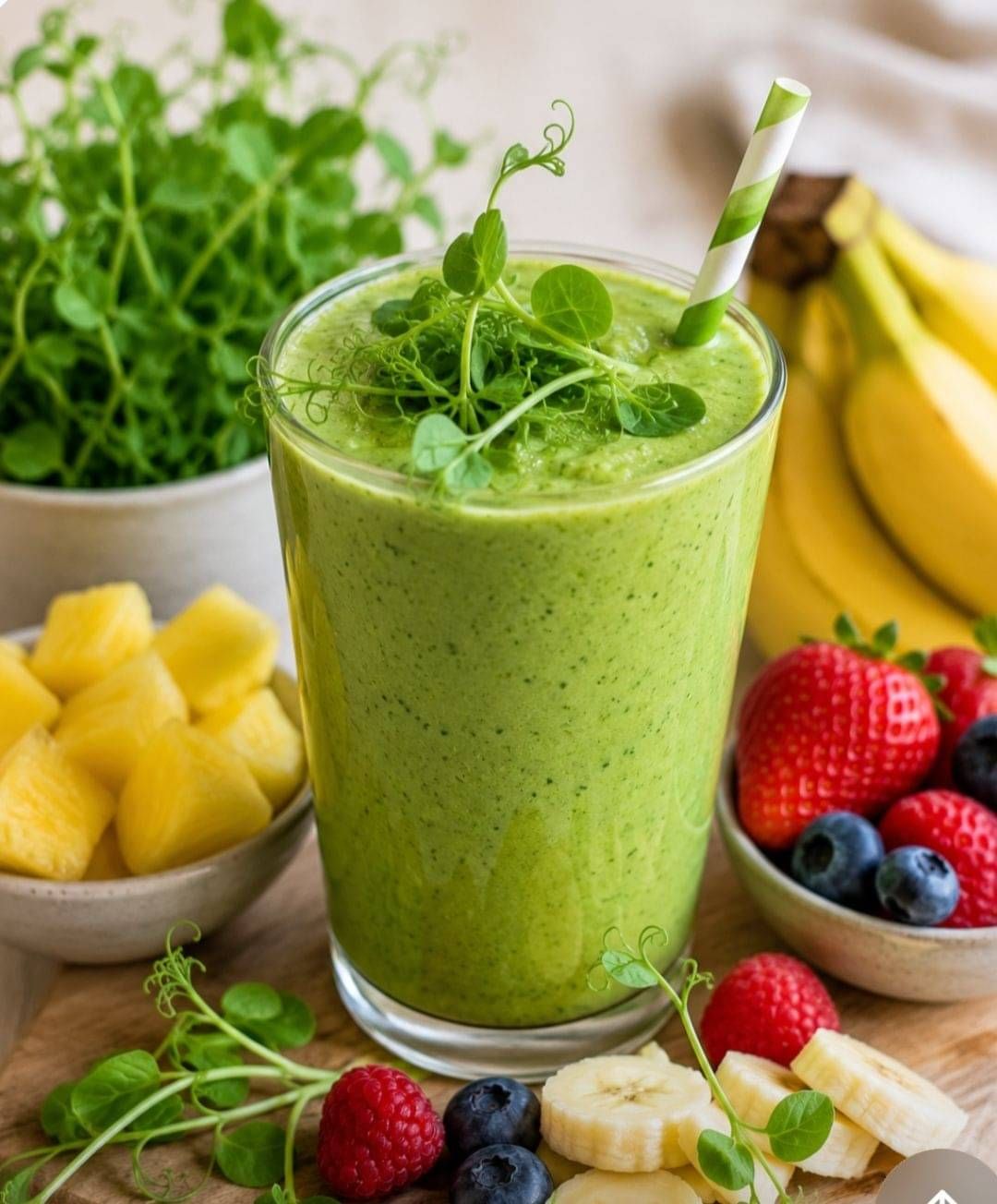
Blend into smoothies.
Stir through scrambled eggs or pasta.
Sprinkle over pizza, salads or rice bowls.
A handful of fresh pea tendrils is an easy way to add extra nutrition, colour and crunch to everyday meals. Best of all, they're a fun way to help kids develop a lifelong love of fresh, healthy food!